Rails to Shores: Capturing Cornwall’s Wild Coast
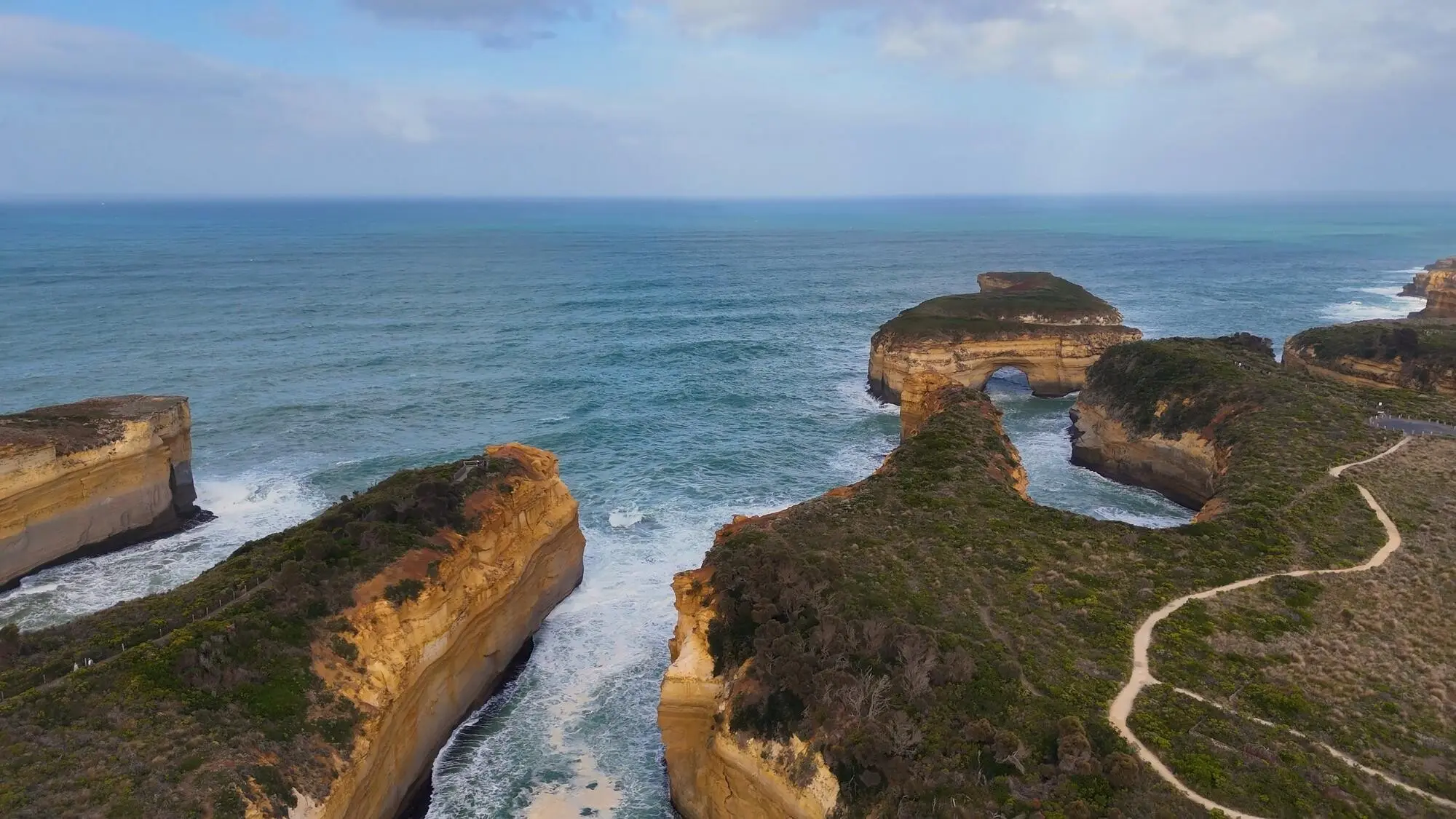
St Ives Bay Line: Light, Granite, and Atlantic Wildlife
Hayle Estuary from the Main Line: Waders, Light, and Long Lenses
Copperhouse Pool Viewpoints
Trace the water’s edge to find low, stable positions that keep your profile small and your horizon clean. Use a beanbag on railings instead of a tripod where space is tight, and prioritize eye-level perspective with feeding waders. Watch for spoonbill or little egret sweeping channels, anticipate strike moments, and pre-focus. When clouds open, meter for highlights on wet mud, preserving texture and gentle sheen. Share respectful distances with newcomers, modelling patience that turns quick sightings into luminous, story-rich frames.
Carnsew Basin Golden Hour
As the sun lowers, ripples turn metallic, and silhouettes of distant trains complement avocet curves and cormorants drying wings. Compose by thirds using inlet lines to guide attention, then refine micro-movements for balanced negative space. Switch from telephoto intimacy to environmental portraits that situate birds within working estuary industry and passing rail. Note wind direction to approach with minimal disturbance, and log exact tide stages. Later, encourage readers to compare notes, angles, and exposures, building a shared archive of seasonal light moods.
Ethical Fieldcraft beside the Water
Keep to paths, avoid flushing flocks, and never advance during active feeding or roosting. Use silent shutter modes, cap your frame rate, and respect any reserved areas or signage. If you spot stressed behaviour, back away immediately and swap to wider storytelling frames that place habitat first. On departure, a quick rail ride limits car noise and parking pressure, reinforcing low-impact visits. Invite others to pledge gentle practice, share sightings responsibly, and help new photographers learn the difference between proximity and genuine, considerate connection.
Gyllyngvase Beach Textures and Terns
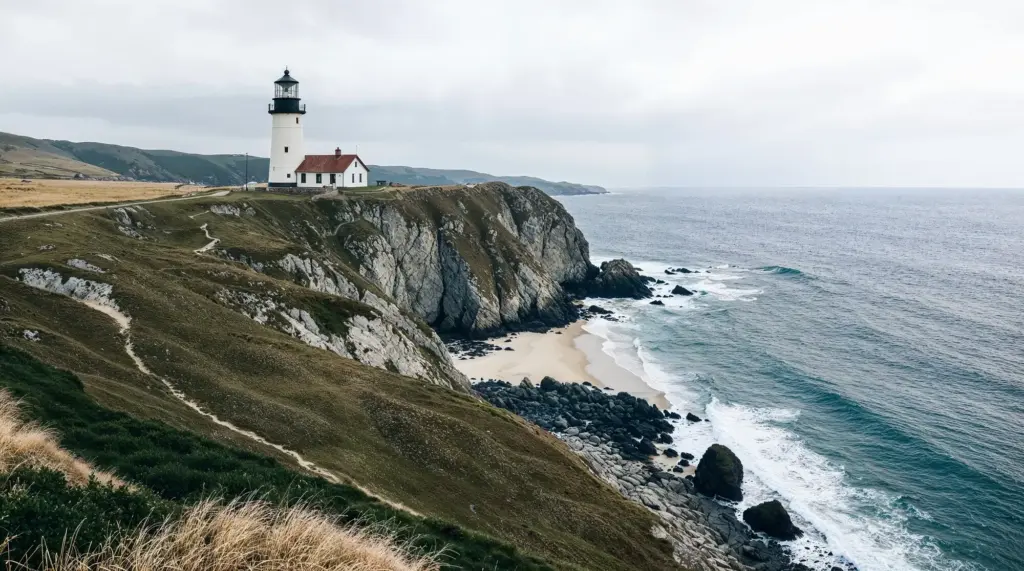
At mid-tide, foam traces filigree calligraphy across firm sand, leading the eye to agile terns and distant headlands. Drop to knee height, align ripple geometry, and meter for whites without losing shadow depth beneath kelp. A compact kit fits rail seats and lets you react as birds pivot with gusts. Afterwards, share quick edits with beachgoers, spark conversations about respectful distances, and encourage readers to post their rail-timed settings, favourite shutter choices, and small field notes that turn casual strolls into attentive explorations.
Pendennis Point Sea-watch Composition
Arrive from Falmouth Docks station and climb to a panoramic stage where squalls, sunbreaks, and bird traffic intersect. Use binoculars first, then frame gannets or passing shearwaters as punctuation within wave architecture. Balance cliff flora in the foreground, keeping safe setbacks from edges. A fast telephoto plus weather cover keeps you ready for dolphins or porpoise arcs that appear, vanish, and reappear under raking light. Invite readers to log sightings by tide, wind, and hour, building a shared, rail-reached sea-watch calendar for the season.
Dusk at Castle Beach and Tidal Reflections
When light softens, rockpools become celestial mosaics mirroring violet skies and wheeling gulls. Work slow shutters with a stable mini-tripod, protect invertebrates by placing legs on bare rock, and avoid stepping on eelgrass. Switching to manual focus helps through low-light shimmer, while gentle handheld panning renders wingbeats as calligraphic strokes. Celebrate small finds—anemone colours, crab tracks, bubble chains—and share them with families discovering the shore after a quick train trip. Encourage respectful curiosity that pairs close observation with an easy, car-free return home.
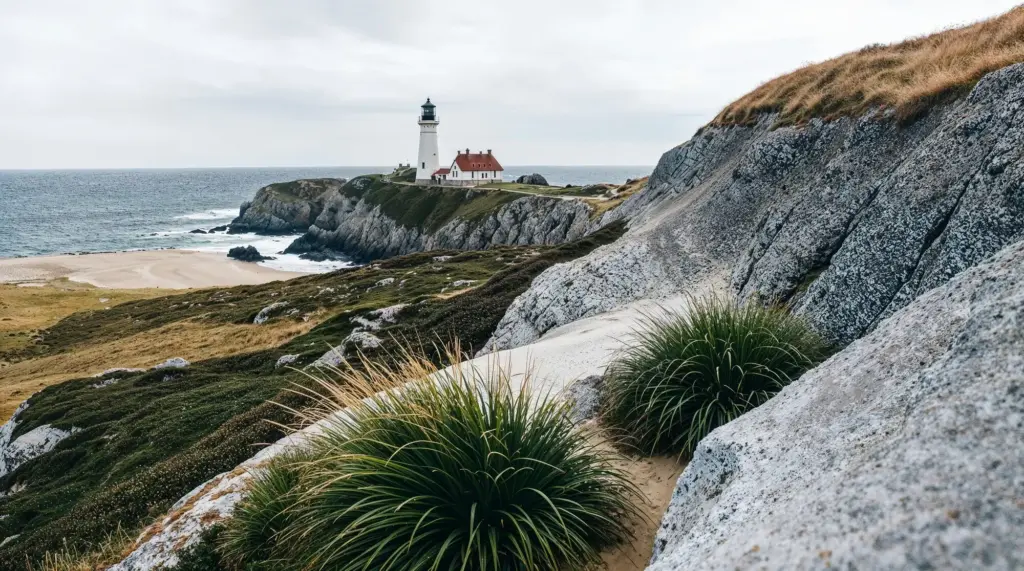
Mount’s Bay from Penzance: Walkable Vistas and Tidal Drama
Long Rock to Eastern Green Shoreline
Begin with polished sand, textured pebbles, and low surf that sketches delicate leading lines straight toward distant piers. Compose wider than usual, then refine tighter frames for gull interactions and sudden seal heads in deeper channels. Use graduated filters sparingly, metering for sky while preserving sand detail. Rail access frees you to follow colour rather than timetables of traffic, so linger as clouds bloom. Invite comments on favourite vantage markers, encouraging readers to trade exact foot placements that reliably anchor clean, uncluttered horizons.
Marazion Marsh Listening Stops
This RSPB sanctuary sits just inland, humming with reed warblers, herons, and seasonal surprises during migration. Listen first, then move softly between viewpoints, favouring eye-level positions and patient intervals that let behaviour resume naturally. In shifting wind, stabilize with elbows on a fence rather than sprawling tripods that block paths. Share sightings responsibly, avoid publishing nest locations, and celebrate soundscapes alongside images. Rail journeys encourage unhurried observation, so build a multi-sensory story—ripples, reeds, and wingbeats—before returning along the bay under soft, returning evening light.
St Michael’s Mount Blue Hour Perspectives
Approach as lamps bloom across the water and the causeway surrenders to tide. Reflective pools become quiet mirrors for layered exposures; balance highlights with long, steady shutters and minimal noise. Keep footprints clear of puddles to protect pristine surfaces for later walkers. Include shoreline grasses to situate scale and season, and time frames to passing silhouettes that add human story without dominating. Invite readers to share their favourite rail arrival times for steady tripods, calm wind windows, and that gently glowing horizon that lingers.
Atlantic Coast Line to Newquay: Clifftops, Surfers, and Storm-light
Towan Head Seabird Watch
Perch well back from edges and track fulmars banking on invisible lines. Pan smoothly with hips, keep elbows soft, and pre-visualize arcs intersecting headland geometry. Telephotos compress cliffs and sea, while a mid-range lens places birds in context with lighthouse specks and distant showers. Log wind direction and gust speed; share your findings so others time visits safely by rail. When light fails, switch to atmospheric frames that honour spray, cloud texture, and the patient listening that precedes the next passing flock.
Fistral Dune Grass and Telephoto Layers
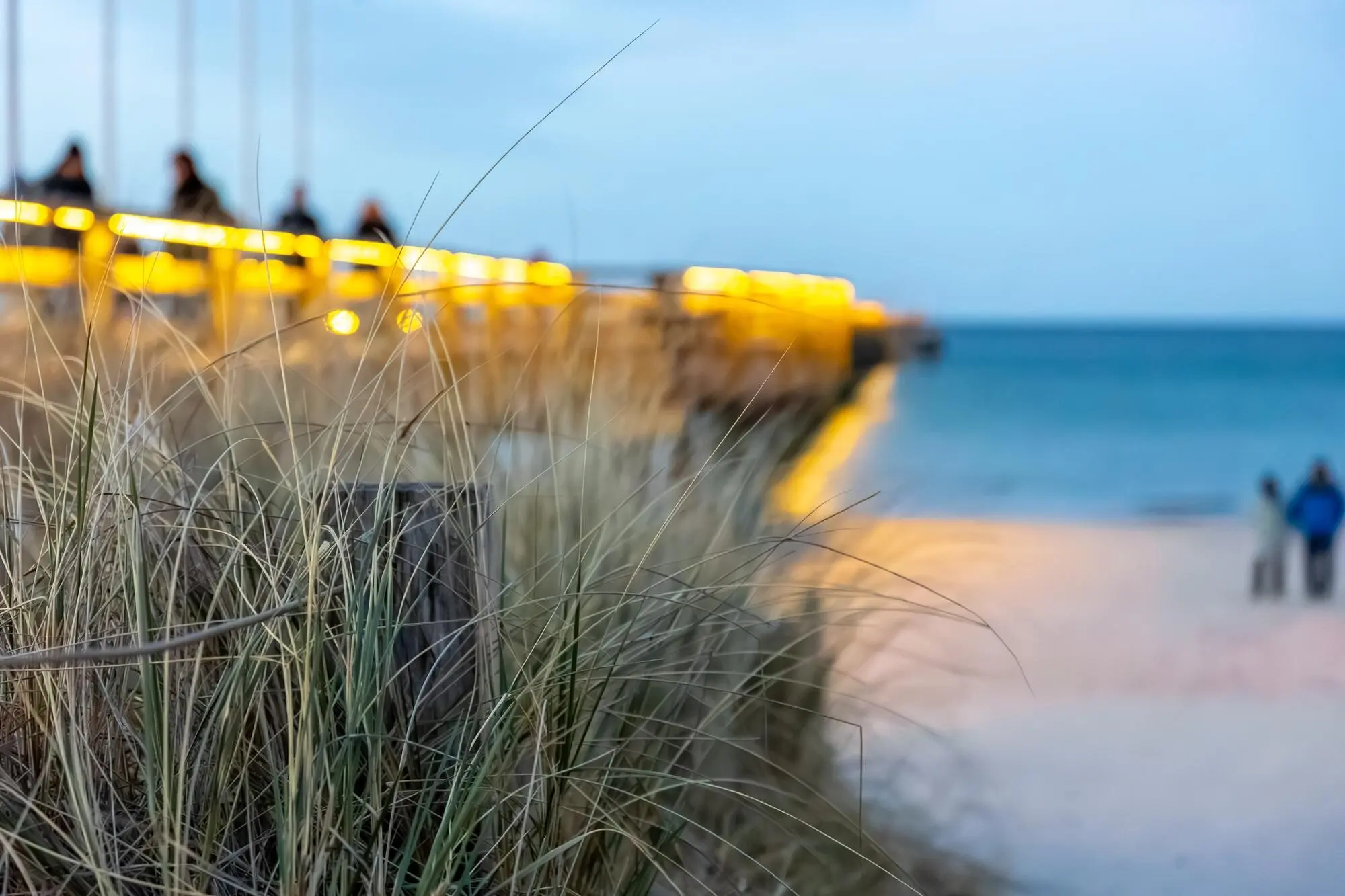
Work behind dune grasses for textured foregrounds, framing riders, gulls, and explosive wave crests under shifting sun. Telephoto compression stacks drama into graphic bands; fast shutter speeds freeze spray, while slightly slower settings reveal kinetic energy without smearing detail. Protect vegetation by sticking to paths and resting gear on a small ground cloth. After shooting, take the train back while reviewing sequences, then post-contact sheets inviting thoughtful critique, settings swaps, and questions that help newcomers build confidence in changing, wind-driven coastal light.
Looe Valley Line: Estuary Quiet, Island Views, and Kingfisher Flashes
Planning, Ethics, and Packing for Low-Carbon Adventures

All Rights Reserved.