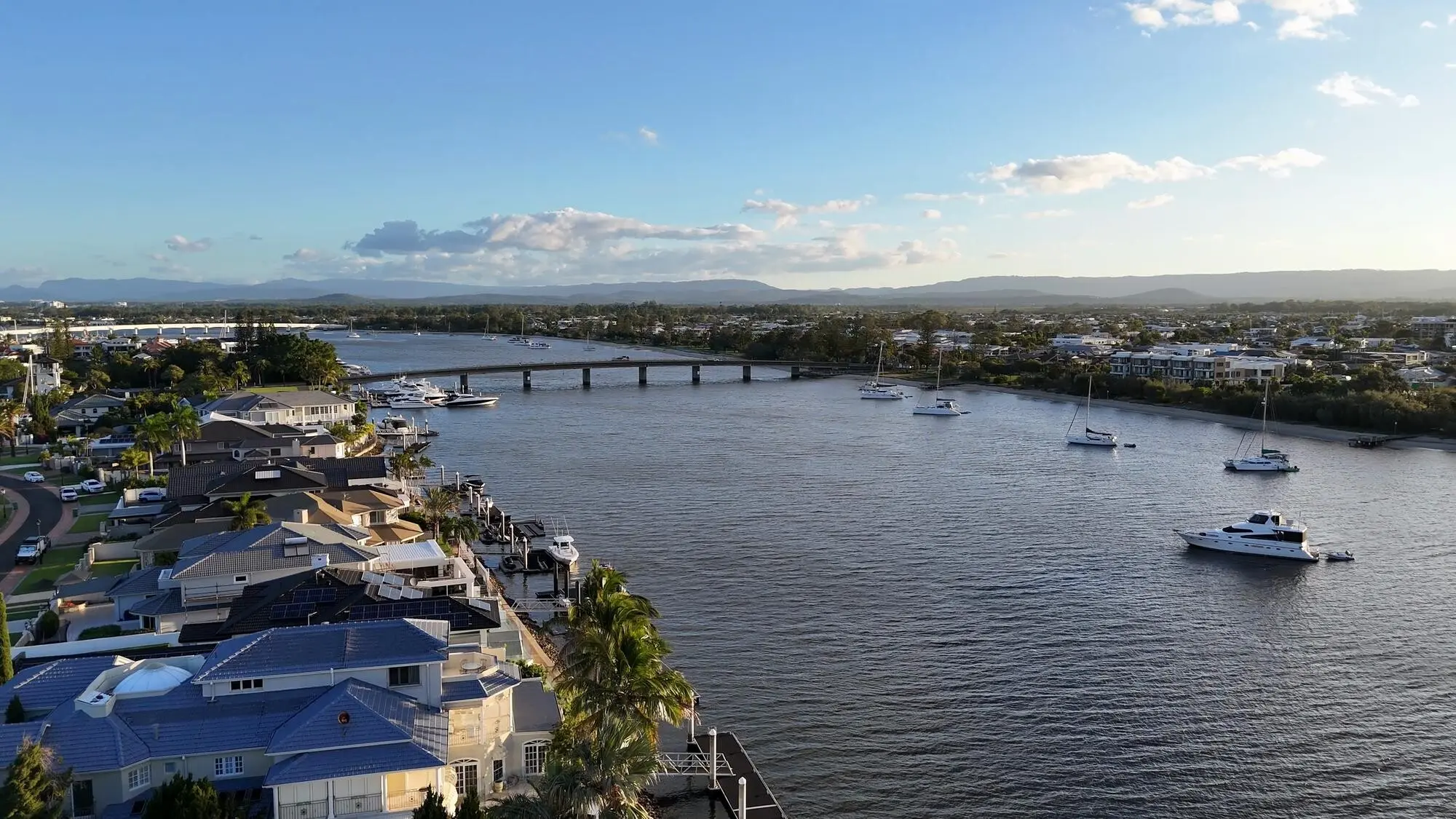
Tracks to Tin: Walking from Rails to Ruins on the Cornish Edge
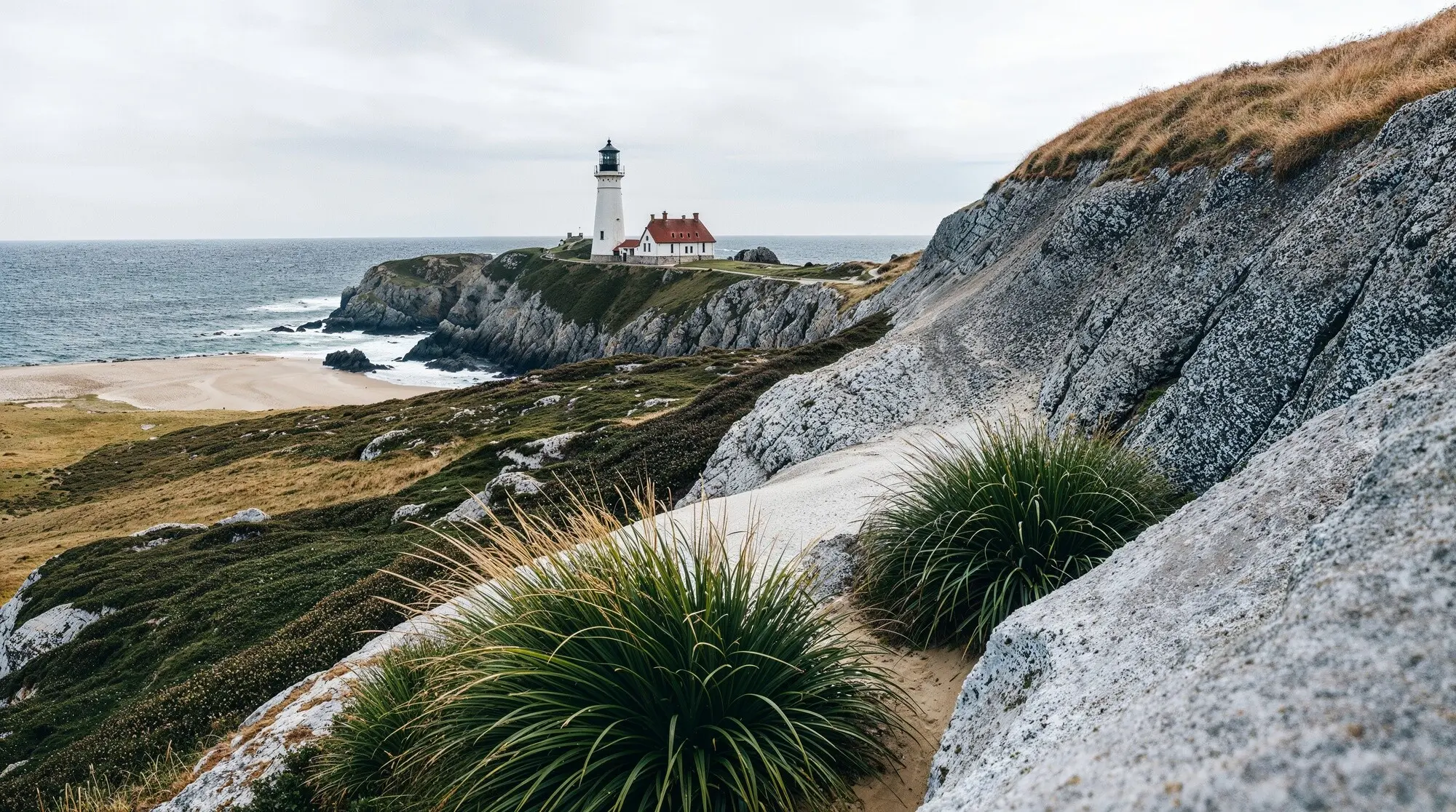
Step from a seaside platform into stories of ore, courage, and Atlantic weather. This guide explores Mining Heritage and Clifftop Ruins: Station-to-Trail Routes on the Cornish Coast, revealing easy rail connections, stirring paths, and unforgettable viewpoints where engine houses cling to granite and waves pound far below.

Arrive by Rail, Step into History

Use frequent local trains to begin coastal adventures without car stress, stepping off within moments of waymarks and sea air. Platforms at St Ives, Penzance, and Hayle place you within easy reach of the South West Coast Path, linking Victorian railway heritage with cliff-edge engine houses, harbor breakwaters, and sandy estuaries where industrial memory blends with gull cries and the glitter of tide-swept light.

Reading the Landscape from the Platform
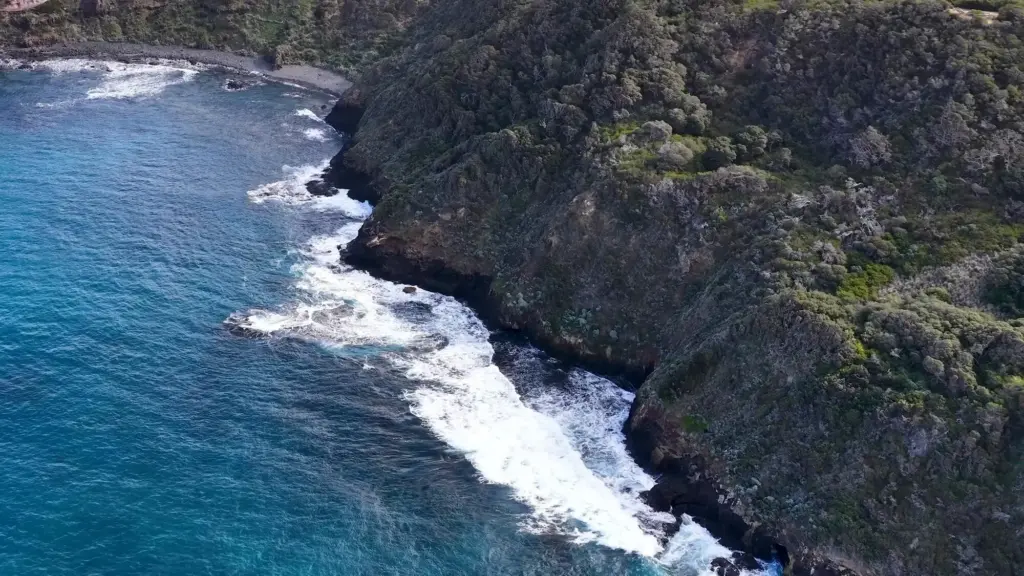
Before you leave the station, notice slate, granite, and rusting rails embedded in sidings, clues to freight once hauled from nearby lodes. Study the skyline for smoke-stained chimneys and ventilators, then follow pedestrian signs toward the coast, letting the gradient of streets hint at buried adits descending beneath your feet.

Waymarks, Rights of Way, and Tidal Timings

Carry an Ordnance Survey map or reliable offline app, and watch for acorn waymarks guiding the South West Coast Path. Respect farmland stiles and access codes, and check tide tables for estuary crossings, beach sections, or causeways that transform from welcoming promenades to impassable barriers within a bracing hour.

Tin, Copper, and the People Who Worked the Edge

Beneath the heather lie labyrinths of stopes and shafts that powered global tin and copper trades, labored by families whose songs and handprints still echo. Meet bal maidens dressing ore in all weathers, captains charting risky investments, and inventors perfecting steam engines that thundered through cliff gullies while Atlantic spray salted iron and ambition alike.

Clifftop Ruins That Guard the Sea

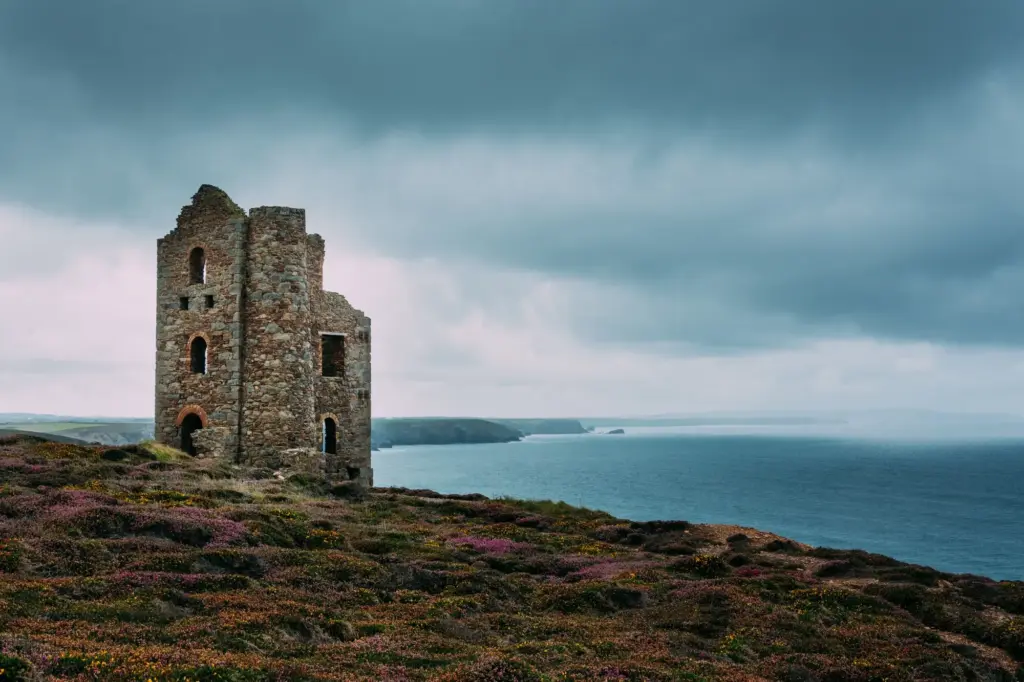
Engine houses rise like sentinels, their windowless walls framing Atlantic horizons where storms assemble with theatrical speed. Explore arsenic labyrinths, calciners, stamps, and leats; trace the routes water once took to power iron hammers. In shifting light these structures become characters: stoic, battered, dignified, inviting careful footsteps, quiet photographs, and respectful curiosity about ingenuity carved straight into rock.

Botallack Crowns at the Waterline

Perched improbably just above the surge, the Crowns at Botallack seem to drink spray, their windows staring into blown foam. Paths above weave through fenced hazards; keep distance while imagining tramways crossing minuscule benches, and miners descending to submarine lodes where darkness pressed like the weight of oceans.

Wheal Coates in Atlantic Light

Above Chapel Porth, Wheal Coates stands tall on russet cliffs where thrift flowers stitch pink constellations in spring. The stack funnels wind like an organ pipe; surfers glitter below. Pause to hear the hush between gusts, cameras lowered, allowing masonry, dune, and heather to braid story, labor, and long perspectives.

Hidden Arsenic Works and Chimneys

Some edges conceal arsenic flues snaking up hillsides, brick-lined corridors where poisonous vapors once cooled and crystallized. Do not enter ruins; instead trace their paths from safe vantage points, reading interpretive boards that translate chemistry into human choices, courage, and cost, reminding visitors that industrial beauty coexists with uncomfortable legacies.

Safety and Stewardship on a Fragile Coast

Cliffs erode, mines collapse, and weather turns suddenly; your care protects you and this extraordinary place. Stay behind fences, mind dogs and children, give space to livestock, and resist shortcut temptations. Choose established lines, support local conservation, and pack litter out so larks, choughs, and rare plants keep thriving along precipices and wind-bent hedges.

01

Navigating Exposure, Scree, and Sudden Gusts

Cornish headlands magnify wind; a playful breeze at a station can become a shoving gale on exposed ribs of slate. Keep low near edges, plant poles deliberately, and allow extra time. Wet grass, gravel scrapes, and salty mist complicate footing; patience and humility make every panorama safer and sweeter.

02

Respecting Closures and Conservation Projects

Temporary diversions protect breeding birds, archaeological digs, or path repairs stabilizing undercut slopes. Embrace detours as part of discovery rather than an interruption, reading notices and maps, thanking volunteers when you meet them. Your flexible attitude preserves access for others and signals shared guardianship of stories anchored deep in granite.

03

Leave Only Footprints, Share Only Stories

Resist stacking stones, lighting fires, or prying souvenirs from walls. Photograph details, sketch textures, and write captions that honor workers and wildlife without trespass or disturbance. Back home, donate to local trusts, travel off-peak, and recommend rail-first itineraries that lighten roads and let coast paths breathe.

Seasons, Tides, and the Drama of Weather
The path changes personality with each month and moon, offering new colors, challenges, and rewards. Planning around tides, swell, daylight, and blooming heather transforms ordinary walks into memorable journeys. Accept unpredictability as part of the magic; the best stories often arrive with rainbows, drifting mists, or that sudden window of sun.

St Ives to Zennor: Granite, Art, and Atlantic Surge
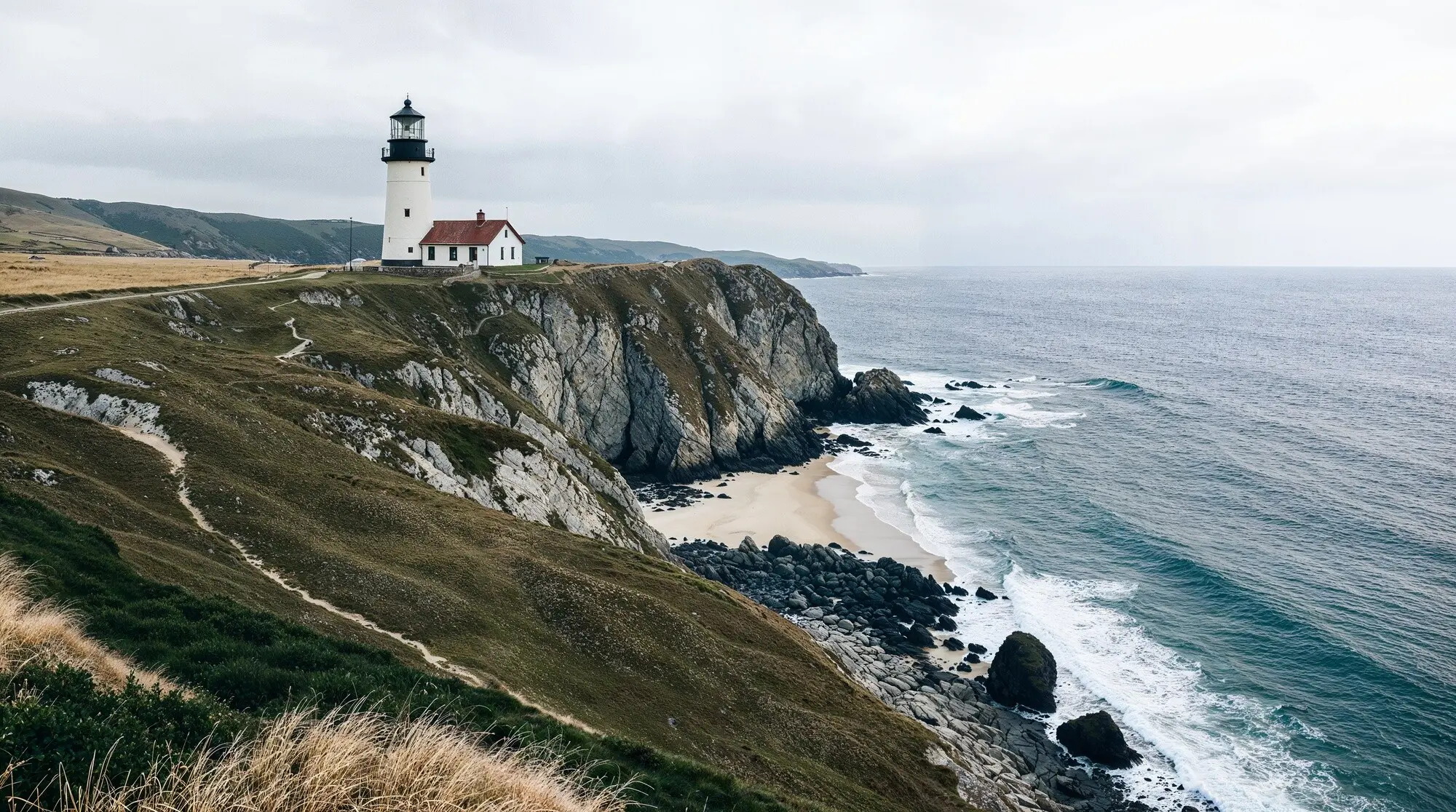
From St Ives station, climb past Porthminster’s sands to join the coast path toward Clodgy Point, then on to Zennor over rocky, strenuous miles that reward with seal-slick coves and wide drama. Browse the church and mermaid legend, then return by bus or retrace gentler inland lanes.

Penzance to Mousehole and Lamorna: Harbours to Heather

Step from Penzance station along the promenade to Newlyn’s working harbor, continuing to Mousehole’s sheltered jumble before quieter cliff paths roll toward Lamorna’s granite valley. Tides and time dictate turnarounds; buses connect villages, while frequent trains welcome tired legs back toward seaside suppers and contented, salt-tanged yawns.